

Introduction: In the modern world, when we speak of wine, we first imagine a vineyard, a winepress, a karas, or a glass raised at the table. In the ancient world, however, wine was not merely a beverage produced through a simple process. It was a commodity of economic value, an object of trade, and sometimes even a luxury that traveled long distances from one country to another. The Armenian Highland was one of the important hubs along these routes. The climatic conditions of the region, its water resources, and especially the fertile soils of the Ararat Plain were favorable for the development of viticulture and winemaking. Studies show that viticulture and winemaking were among the important branches of the economy in the agricultural areas surrounding the cities of Armavir, Artashat, and Vagharshapat in the Ararat Valley as early as ancient times (Taghiadian 1975, 108). But the story does not end here. The trail of ancient wine leads us southward, toward the basins of the Euphrates and the Tigris, while one of its ultimate destinations was Mesopotamia, where Armenian wine was exported (Gasparyan, Avetisyan, Gnuni, Bobokhyan 2016, 119–134; Bdoyan 1972, 121).
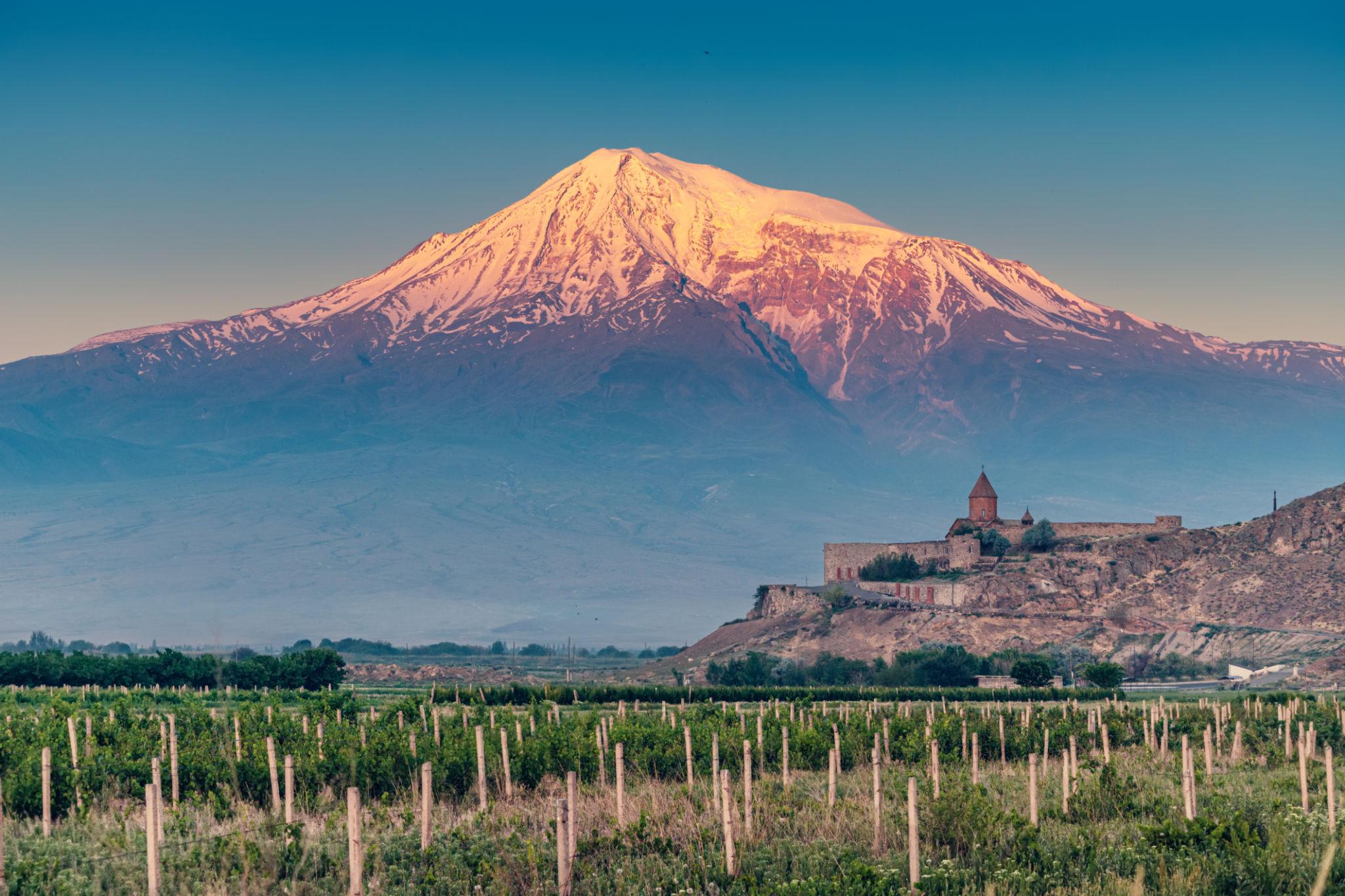
The Ararat Plain: The Beginning of the Wine Route: The significance of the Ararat Plain in the history of ancient Armenia was determined not only by its fertility but also by its geographical location. It was here that roads running in different directions intersected, connecting the Armenian Highland with Mesopotamia, the Iranian Plateau, Syria, and more distant regions. In this environment, viticulture could become a basis not only for local consumption but also for exchange and trade. In Sumerian sources, Aratta is mentioned as a mountainous country that maintained close economic and trade relations with Sumer. According to these sources, metals and precious stones were exported from Aratta to Mesopotamia, while grain was imported in return. References to Aratta’s agricultural culture, in the opinion of some researchers, may also attest to the development of horticulture and winemaking (Dyakonov 1961, 208–209; Gilgamesh 1982, 101–169; Movsisyan 2015, 102).
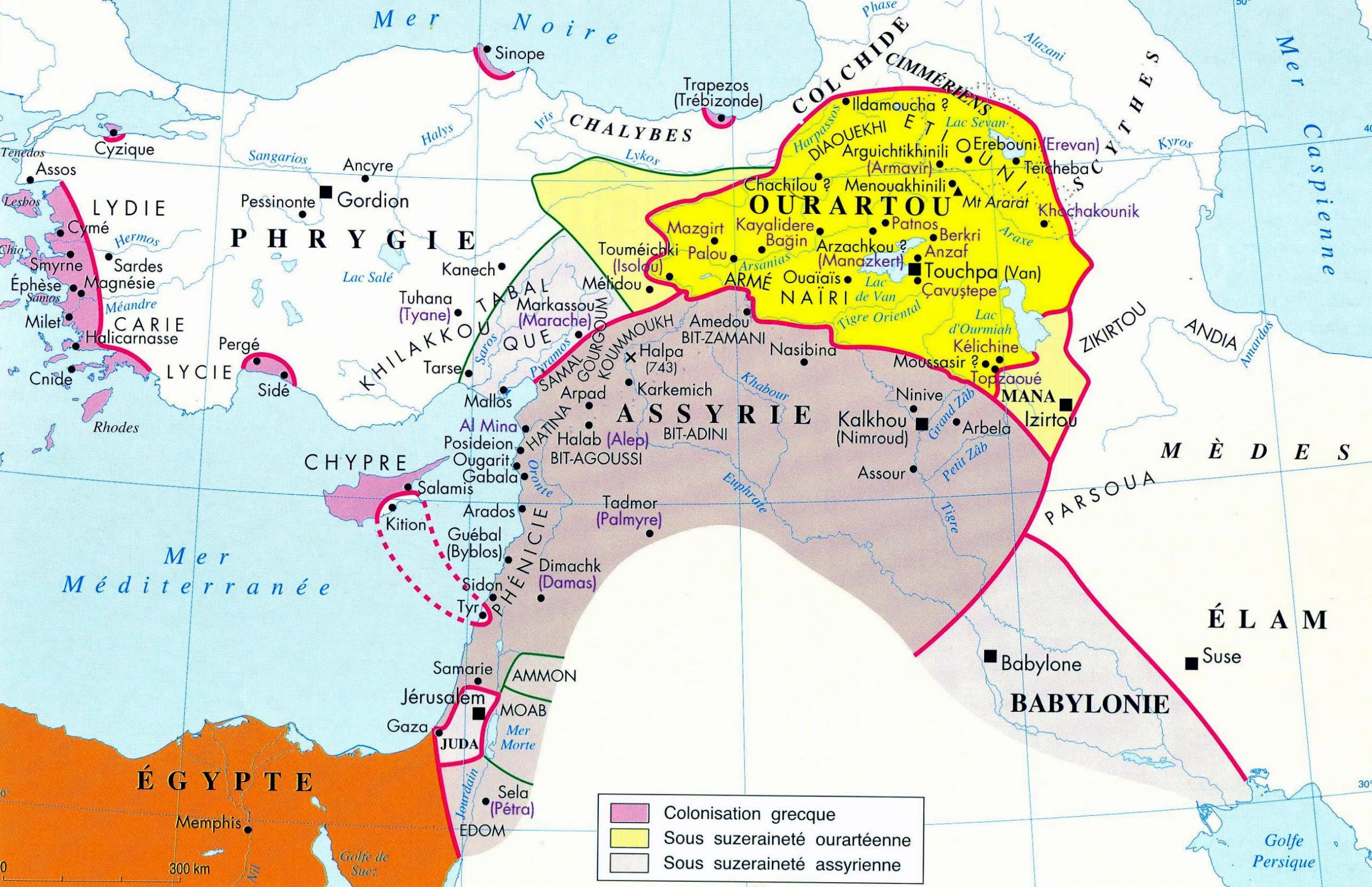
Archaeological evidence shows that wine production had reached particularly large-scale proportions during the period of the Kingdom of Van. Excavations at Karmir Blur, ancient Teishebaini, revealed large wine-storage facilities containing hundreds of enormous karas vessels (Dan 2025, 38, 42). A number of studies estimate the total volume of wine preserved in these storage facilities at around 400,000 liters. Even Xenophon, the Greek military commander who retreated through Armenia, mentions, among other abundances, the sweet-tasting Armenian wine (Anabasis, IV, 9, p. 93): “In the many well-built houses there was so much wine that it was kept in plastered pits” (Anabasis, IV, 22, p. 88). “And if anyone wished, as a friend, to drink to another’s health, he would lead him to the karas and, bending down, would have to drink from it, sucking it like an ox” (Anabasis, IV, 32, 33, p. 98).
These data are not merely interesting statistics. They allow us to gain an understanding of the kinds of organized economic mechanisms involved. Such a large quantity of wine could not have been produced solely for the needs of a few families or a small community. Wine production here was connected with systems of economy, storage, measurement, and administration. In other words, it was under the specific care of the state.
Karas: The First “Packaging” of Wine: The wine route of ancient Armenia is difficult to imagine without the karas. These enormous clay vessels were intended for storing grain, flour, as well as wine (Yengibaryan, Bobokhyan 2025, 11). They were placed in specially prepared storage facilities—karas halls (Yengibaryan, Bobokhyan 2025, 21). Wine made from Armenian grapes was transported in them by ships toward Mesopotamia. The markings found on karas vessels discovered at Urartian monuments also attest to a system of volume measurement. Three main units of wine measurement are known from that period: aqarqi, ṭerusi, and arusi (Badalyan 2025, 51). They reached a volume of up to one ton (Mateush, Zakyan 2025, 26). Some of the karas discovered at Karmir Blur bore cuneiform signs or other markings associated with Urartian units of liquid measurement. In other words, wine was not simply poured and stored. It was counted, measured, stored, and controlled. The large size of the karas vessels was also not accidental. A vessel placed in rock-cut storage facilities or partially buried in the ground made it possible to maintain a more stable temperature and preserve its contents for a long period of time (Grigoryan 2025, 118). Xenophon likewise mentions that the Armenians had a custom of storing wine by burying it in pits (Anabasis, IV, p. 98). Eight karas halls have been discovered at Karmir Blur, which were intended for storing wine (Sargsyan 2025, 69).
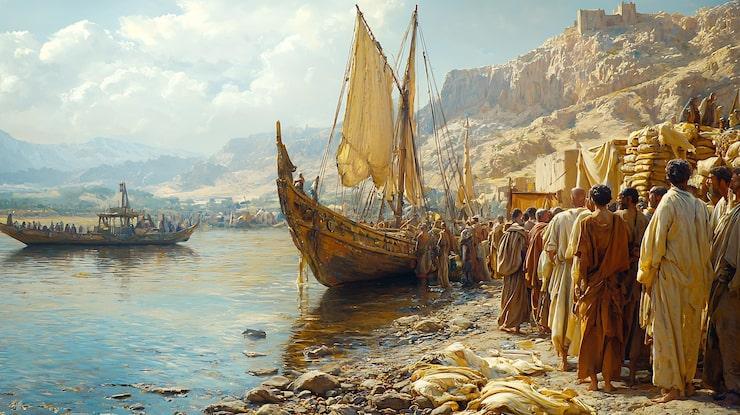
Wine Leaves Armenia: When did wine begin to go beyond the boundaries of local consumption and become a commodity of long-distance trade? The answer to this question brings us closer to written sources. In the first book of his Histories, the 5th-century BC Greek historian Herodotus describes boats traveling down the Euphrates toward Babylon. Particular attention in his account is drawn to the construction of these boats: “The boats in which they sail down the river toward Babylon are round and entirely covered with leather. …For the most part, they transport wine in red karas vessels. …After reaching Babylon by boat and selling the cargo, they also put up for sale the framework of the boat and all the straw…” (Herodotus, Book 1, 194).
Herodotus’s account is particularly valuable because here we see not only the presence of wine but also the entire mechanism of its transportation. This picture is a rather remarkable example of trade in the ancient world. The wine moved in one direction, while the materials of the sold boat and the animals moved in another. This is a unique source for forming an understanding of the commercial, economic, and logistical mechanisms of the ancient world, while at the same time showing how developed Armenia was in this sphere.
The Euphrates as a Wine Route: Thus, one of the important sections of the wine route was the river. For the ancient world, rivers were not only sources of water. They were natural routes of communication and trade. For transporting large quantities of heavy cargo, river transport was much more efficient than overland routes.
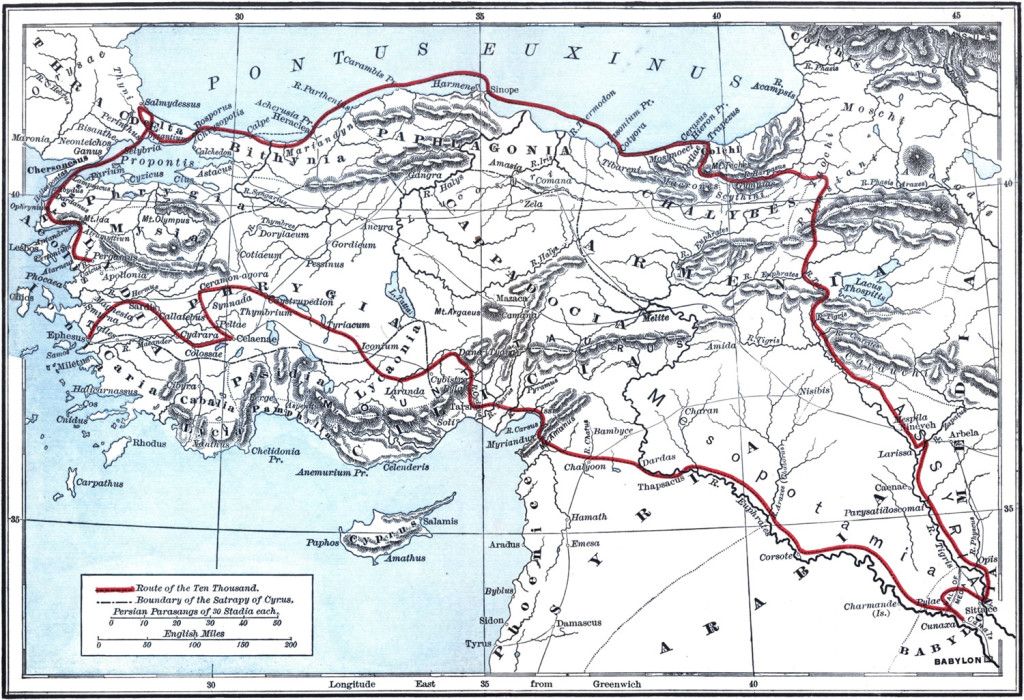
Let us imagine this route. Grapes obtained from the vineyards of the Ararat Plain were turned into wine. The wine was poured into large vessels. The product was then transported southward, reached the Euphrates basin, and from there proceeded by river route toward the major centers of Mesopotamia. One of the final destinations was Babylon (Harutyunyan 1964, 116), one of the most famous cities of the ancient world.
Thus, the wine route can be conventionally represented as follows:
Ararat Plain → southern communication routes → Euphrates basin → Babylon.
Why Was Wine Valuable in Mesopotamia?: For the inhabitants of Mesopotamia, wine was not as common a beverage as beer. Beer occupied an important place in the economy and culture of Mesopotamia, whereas wine was in many cases associated with imports and consumption of higher value. Therefore, wine coming from the Armenian Highland could have had particular economic significance. The trade route described by Herodotus shows that wine was a sufficiently valuable cargo to be transported over long distances. In research, Herodotus’s account is regarded as important evidence of the wine trade between ancient Armenia and Babylon.
Another circumstance is particularly interesting here: the wine trade required not only the production of wine but also the preservation of its quality. A long journey meant that the producer had to consider the preservation of the wine, the durability of the container, its size, and the method of transportation. Thus, the wine route also contributed to the technological development of production.
From Urartian Storage Facilities to the Cities of the Ararat Valley: The history of wine is not limited to Karmir Blur alone. At various centers of the Urartian world—including Erebuni, Argishtihinili in the area of Armavir, and other monuments—a large number of karas vessels intended for wine storage have been discovered (Badalyan, Deschamps, Clefontaine, Lureau 2025, 63). The storage facilities at Karmir Blur, however, stand out for their size and the volume of preserved material.
In the following centuries, winemaking continued to play an important role in the life of the cities of the Ararat Valley. Modern archaeological studies, based on materials from Armavir, Artashat, and Vagharshapat, show that developed traditions of viticulture and winemaking existed here, including winepresses, cellars, and production areas. These facts make it possible to view the history of wine not as a series of separate episodes, but within the framework of a long-term cultural process.
Wine as a Cultural Link: One of the most interesting aspects of the wine route is that it was not only the wine that traveled. Along with wine, knowledge of production, forms of vessels, systems of measurement, trade practices, and, of course, the culture of wine consumption also spread.
On the one hand, we see the grape-growing culture of the Armenian Highland, the production of karas vessels, and vast systems for wine storage. On the other hand, there was the urban culture of Mesopotamia, with its markets, river transport, and consumption traditions. These two worlds were connected by trade routes. Therefore, the wine route can be understood not only as a route for a commodity, but also as a route of cultural communication.
Conclusion: The study shows that winemaking in ancient Armenia was not merely an agricultural and domestic activity, but also an important branch of the economy. The fertility of the Ararat Plain, developed systems of wine production and storage, the use of large-scale karas vessels, and the existence of units of measurement attest to the organized nature of wine production.
At the same time, wine had long moved beyond the framework of local consumption and become an important commodity of trade. Archaeological and written sources make it possible to outline a trade route extending from the Ararat Plain toward the Euphrates basin and Mesopotamia. Particularly noteworthy is the transportation of wine to Babylon, which attests to the economic ties that had developed between the Armenian Highland and Mesopotamia.
Thus, the wine route should be viewed not only as a trade route, but also as a channel of cultural communication through which production knowledge, preservation technologies, traditions of vessel use, and wine culture spread. Consequently, the history of winemaking in ancient Armenia is an important testimony to the significant role played by the Armenian Highland within the broader economic and cultural systems of the Ancient Near East.


 +374 44 60 22 22
 Armenia Wine Company 3 Bild., 1Dead-end, 30 Street, Sasunik 0223

